

Ever notice how the real workplace drama rarely happens in the formal processes or dashboards? It’s in the undercurrents. The little eye-roll. The Slack silence. The way someone "forgets" to loop you in.
Here’s the thing: the patterns of good relating are the same everywhere—whether it’s in partnerships, in parenting, or at work. And because there’s been so much more depth of study in personal relationships, I often borrow tools and concepts from that world and reframe them for the workplace.
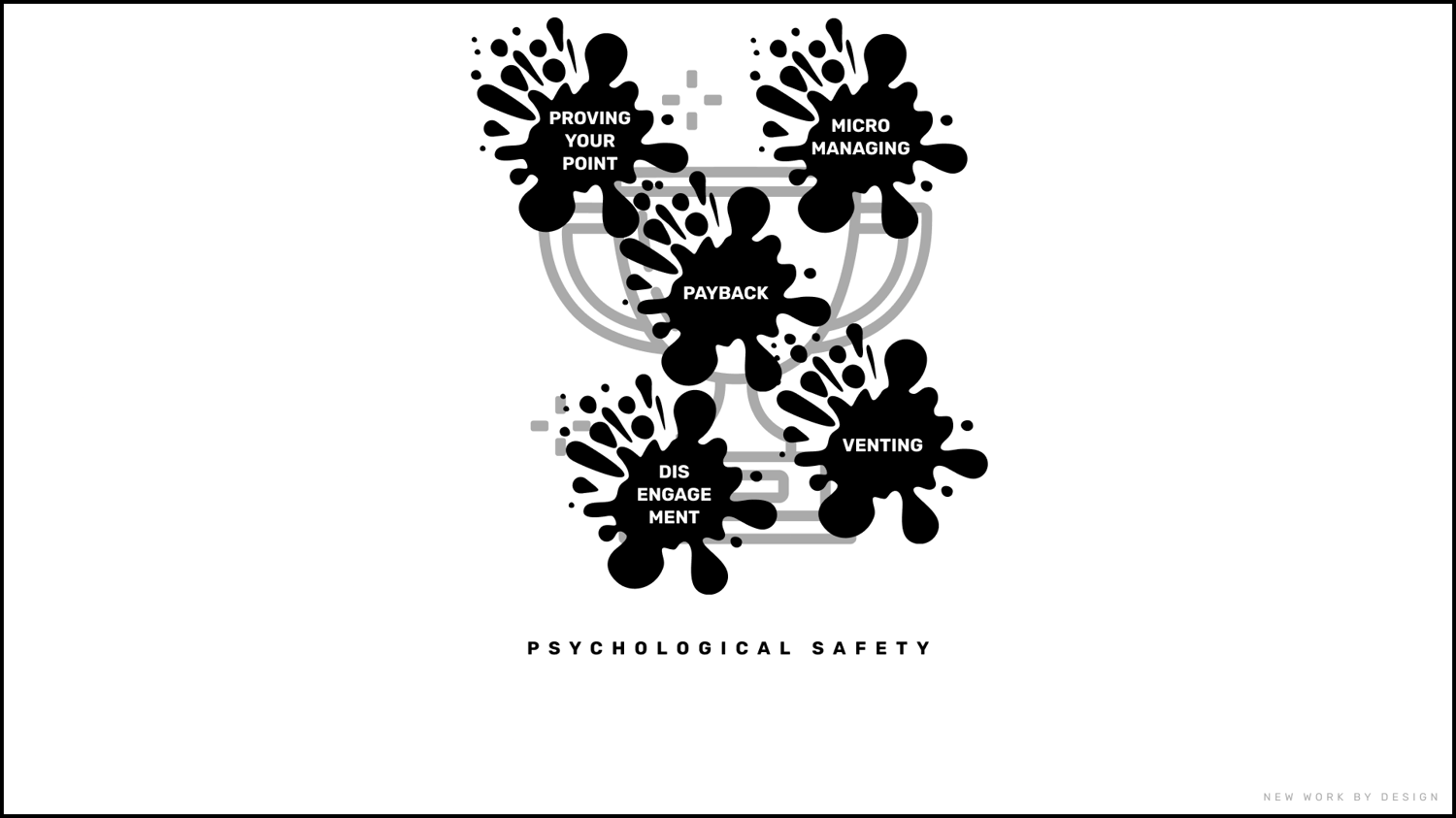
One such concept comes from family therapist Terry Real: The Five Losing Strategies—five common habits that erode connection and trust in personal relationships.
They translate surprisingly well to workplace dynamics, especially if you are trying to foster psychological safety. Here's how they show up at work—and what to do instead.
🧠 1. Being Right → Proving Your Point
Workplace version: You keep pushing your argument in meetings, even after others have moved on, just to prove your logic holds. You subtly dismiss others’ input or reframe it as less valid than your own.
Cost: Team morale drops. People stop contributing. Collaboration turns into silent competition.
Better move: Shift from “being right” to being curious. Ask: “What am I missing?” or “How are you seeing this?”
🎛 2. Controlling Your Partner → Micromanaging
Workplace version: You constantly correct, re-do, or override a colleague’s work—even when their way could be equally valid. You think, “It’ll only go well if I direct every step.”
Cost: Team members feel disempowered and lose ownership. Innovation stalls.
Better move: Set clear expectations, then trust and verify. Coach, don’t control.
💥 3. Unbridled Self-Expression → Venting
Workplace version: You unload frustrations in a meeting or Slack thread in the name of “radical transparency.” But it leaves people defensive or hurt.
Cost: Psychological safety collapses. People brace themselves around you.
Better move: Channel clarity with care. Speak your truth, but filter it through impact-awareness.
🥊 4. Retaliation → Silent Payback
Workplace version: You leave someone off an invite, delay a reply, or push back harder on their idea next time because you’re still annoyed about something they did. Silent scorekeeping becomes your justice system.
Cost: Trust quietly erodes. Conflicts go underground.
Better move: Address issues directly and early—before they become stories.
🧊 5. Withdrawal → Disengagement
Workplace version: After a tense meeting, you shut down. You go quiet on group threads, withhold opinions, or stop offering help—not because you have nothing to add, but because of resentment.
Cost: Communication breaks down. Your team starts guessing your stance instead of knowing it.
Better move: Pause, then re-enter with intention. Realignment builds trust.
🧪 A simple experiment
This week, try this with your team or in a 1:1:
- Pick one losing strategy you recognize in yourself (we all have a go-to).
- Name it out loud in a moment where it shows up: e.g. “I notice I’m trying to prove my point here.”
- Swap it for the better move: e.g."Can you help me better understand your perspective?"
Notice what changes in the conversation—not just in outcomes, but in tone, ease, and energy.
🤓 Fun fact
Terry Real calls these strategies “losing” not because they always fail tactically—but because they win battles at the cost of connection. You get to be right, or in control—but you lose the relationship. In a team context, that means losing collaboration, creativity, and trust.
🤔 What if…?
… your team had a “relationship retro” from time to time instead of a sprint retro? You wouldn't look at processes or workflows, but at how you relate:
- Are we trusting each other?
- Are we speaking openly?
- Where are we stuck in losing strategies?
Would that be weird? Or would it be the beginning of real agility?
If you want to receive visualized concepts like this with simple experiments in your inbox when they come out on Monday mornings, sign up at visuals.newworkbydesign.com
Comments ()