

Why does accountability feel like blame—even when it’s actually a sign of trust?
Most of us flinch at the word. We hear “accountability” and picture finger-pointing, awkward performance reviews, or tight-lipped check-ins. But accountability isn’t the enemy of trust—it’s how trust is built.
Accountability isn’t about control. It’s about care.
When someone circles back and says, “We agreed on this—can we talk about what happened?”, they’re not trying to catch you out. They’re saying: “This mattered to me. And I believe it mattered to you too.”
We confuse accountability with punishment. But true accountability comes after someone has been given the freedom to choose. That freedom only works if it’s paired with being answerable for the outcome.
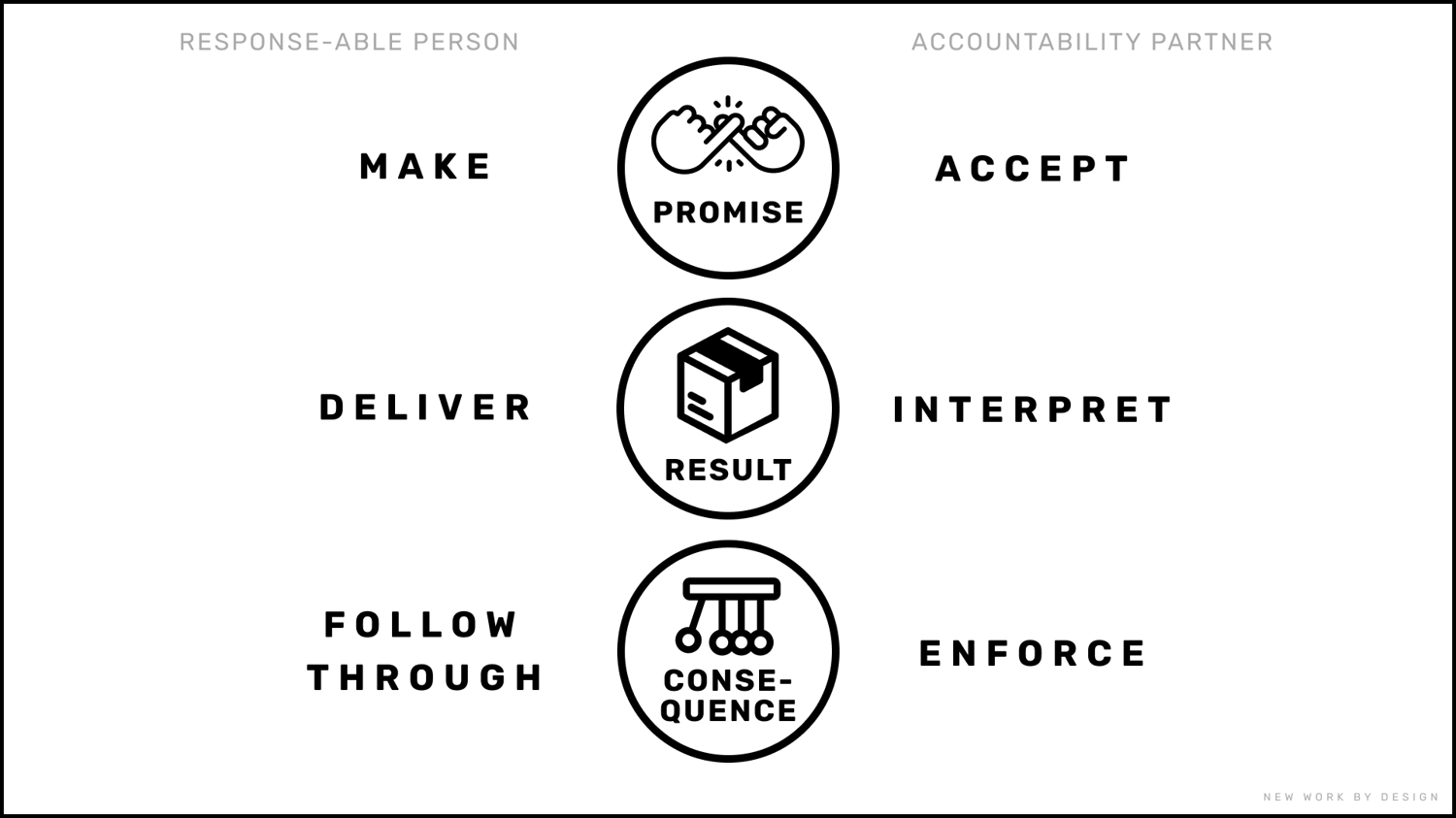
Promise. Result. Consequence.
That’s the accountability loop. When follow it, we get more freedom and are trusted with ever bigger promises. When we skip it, we get frustration and hidden resentment.
Example
A team agrees a new feature will ship by Friday. Friday comes. It’s not done—and no one says anything. No one wants conflict.
Next week? Same story.
By the third week, tension is rising, but no one’s talking. Trust frays quietly.
Now imagine a different version.
Same missed deadline. But this time, someone says:
“Hey, we agreed on Friday. I noticed it didn’t ship—can we talk about what happened?”
That conversation may not be easy. But it’s honest. And it prevents the slow erosion of trust.
🧪 Experiment
This week, think of one promise someone made to you that went unacknowledged. Ask them—gently—about it.
Say: “We had agreed on X, and I noticed it wasn’t done—can we check in?”
Then listen. Don’t punish. But also don’t pretend nothing happened.
🤓 Fun Fact
In a conversation with renowned psychological safety researcher Amy Edmondson, the NeuroLeadership Institute highlighted a key insight: Accountability without psychological safety leads to anxiety, and psychological safety without accountability leads to mediocrity. It’s the combination that drives high-performing teams
.🤔 What if…?
What if we taught accountability like a relationship skill instead of a performance management skill? Imagine workplaces where “I care enough to follow up” was a common phrase. Where every missed promise became a chance to rebuild trust instead of burying it.
Want to receive visualized concepts like this with simple experiments in your inbox when they come out on Monday mornings? Sign up at visuals.newworkbydesign.com
Comments ()