

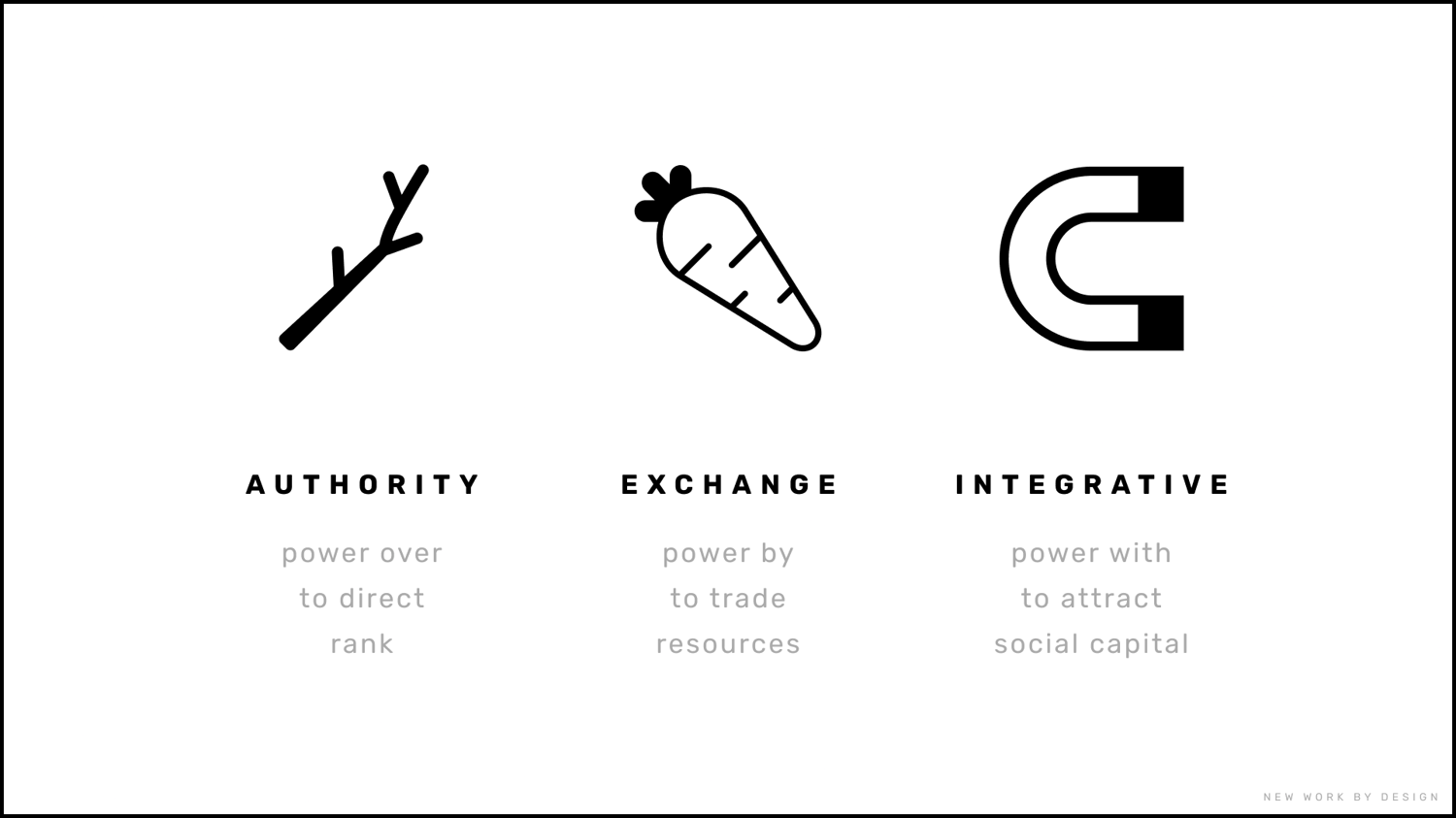
Today, let's dive into power—specifically, integrative power. "Why is it called integrative power?"
Kenneth Boulding coined the term "integrative power" in his book Three Faces of Power (1989). He named it this way because integrative power is about bringing people together—creating harmony, fostering unity, and aligning everyone towards a common purpose.
Unlike authority power (which relies on coercion) or exchange power (which relies on negotiation or incentives), integrative power works through relationships, shared values, and mutual respect. It’s constructive, focused on building trust, fostering cooperation, and creating lasting relationships.
Think of it as power that stems from emotional, moral, and psychological connections—connections that encourage people to voluntarily align for the greater good, rather than being pressured or coaxed into action.
Boulding saw integrative power as essential for sustainable change and social cohesion. It’s about creating a sense of belonging and purpose that inspires people to work together. In other words, it's the type of power that unites rather than divides.
A simple experiment
This week, notice the type of power you're using when trying to get others to do something:
- Are you relying on authority power, using your position to tell them they have to do it?
- Are you using exchange power, offering rewards or avoiding punishments to get them to comply?
- Consider how you could use more integrative power instead. How can you align your requests with a shared, bigger purpose?
If you want to receive visualized concepts like this with simple experiments in your inbox when they come out on Monday mornings, sign up at visuals.newworkbydesign.com
Comments ()