

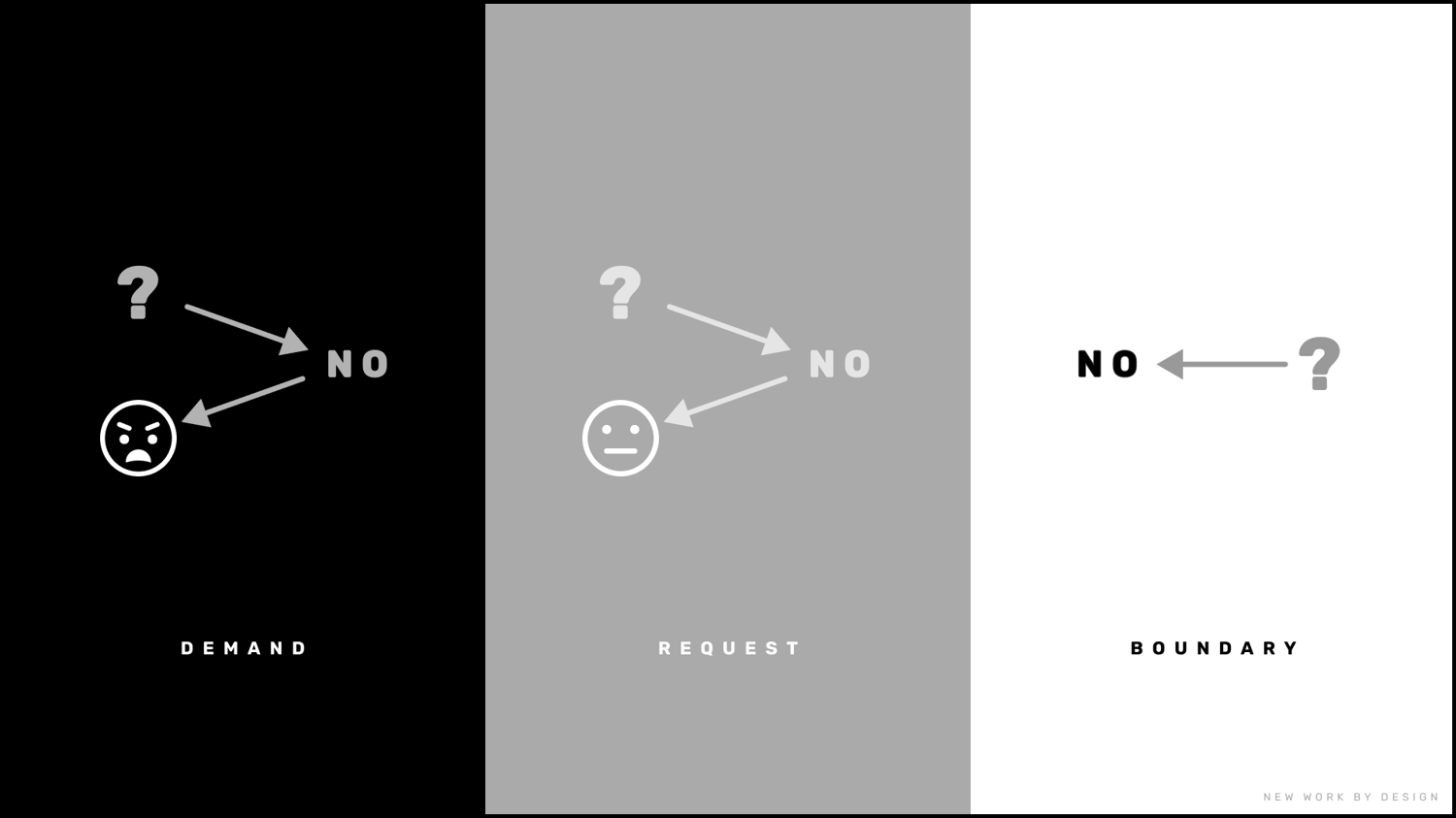
There is a lot of talk about boundaries - yet most people don't have a clear understanding of what a boundary actually is. To understand what a boundary is, I find it useful to contrast it with what it is not: a demand or a request. Understanding th...
Read More
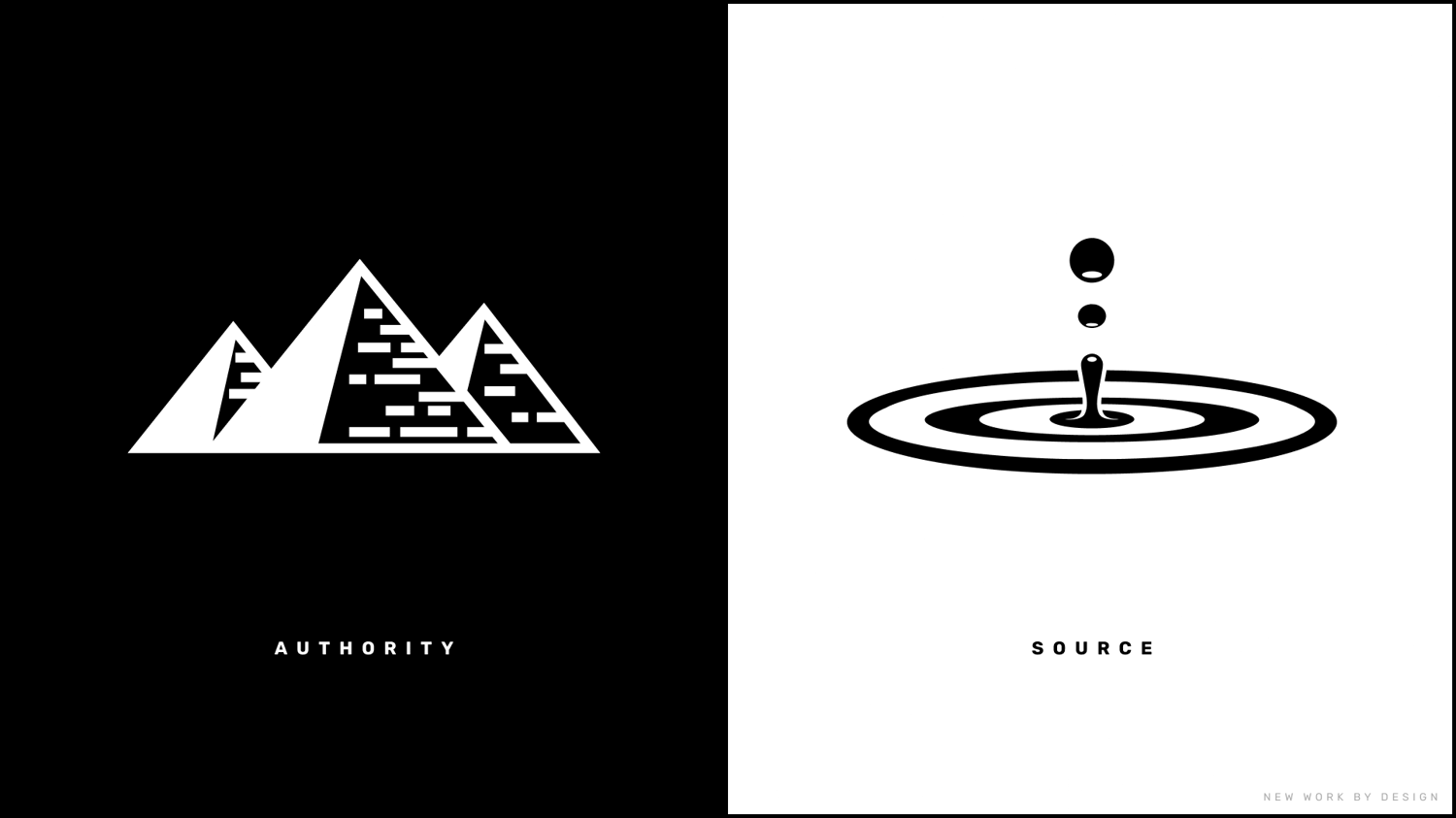
Starting with self-organization often presents a tricky challenge for founders and senior leaders: how to lead without falling back on authority. A valuable framework for navigating this is Peter Koenig's concept of Source—a valuable ...
Read More
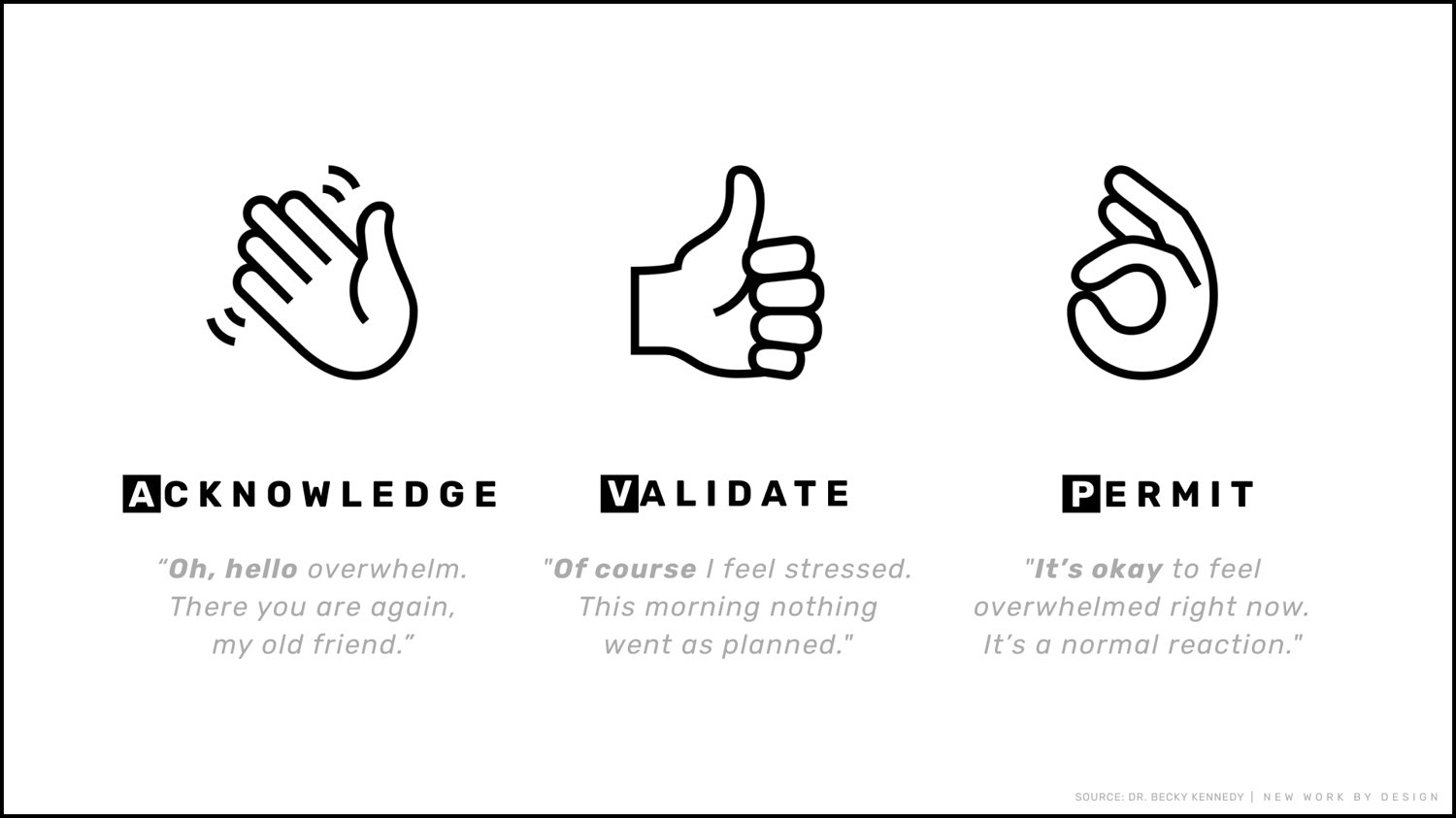
Self-regulation at work is essential for maintaining productivity, fostering collaboration, and making better decisions. It let's you manage your emotions, stay focused under pressure, and respond to challenges with composure. By reducing impulsive ...
Read More
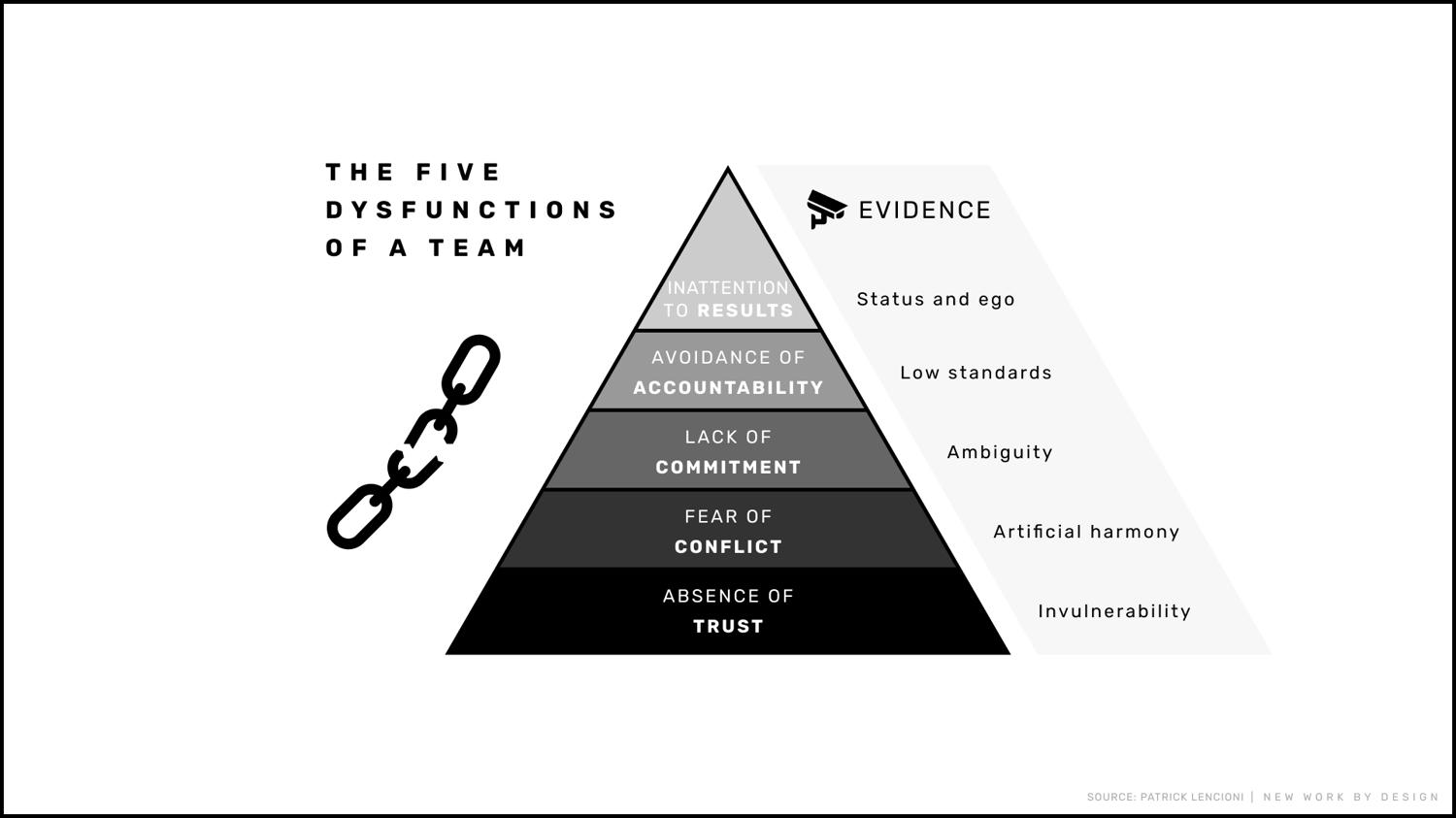
This week, I re-read "The five dysfunctions of team" in preparation for the next module in my leadership program. It's been 10 years since I last read it, and wow, it hasn't lost any of it's relevance. If you haven’t picked it up or it’s been a...
Read More
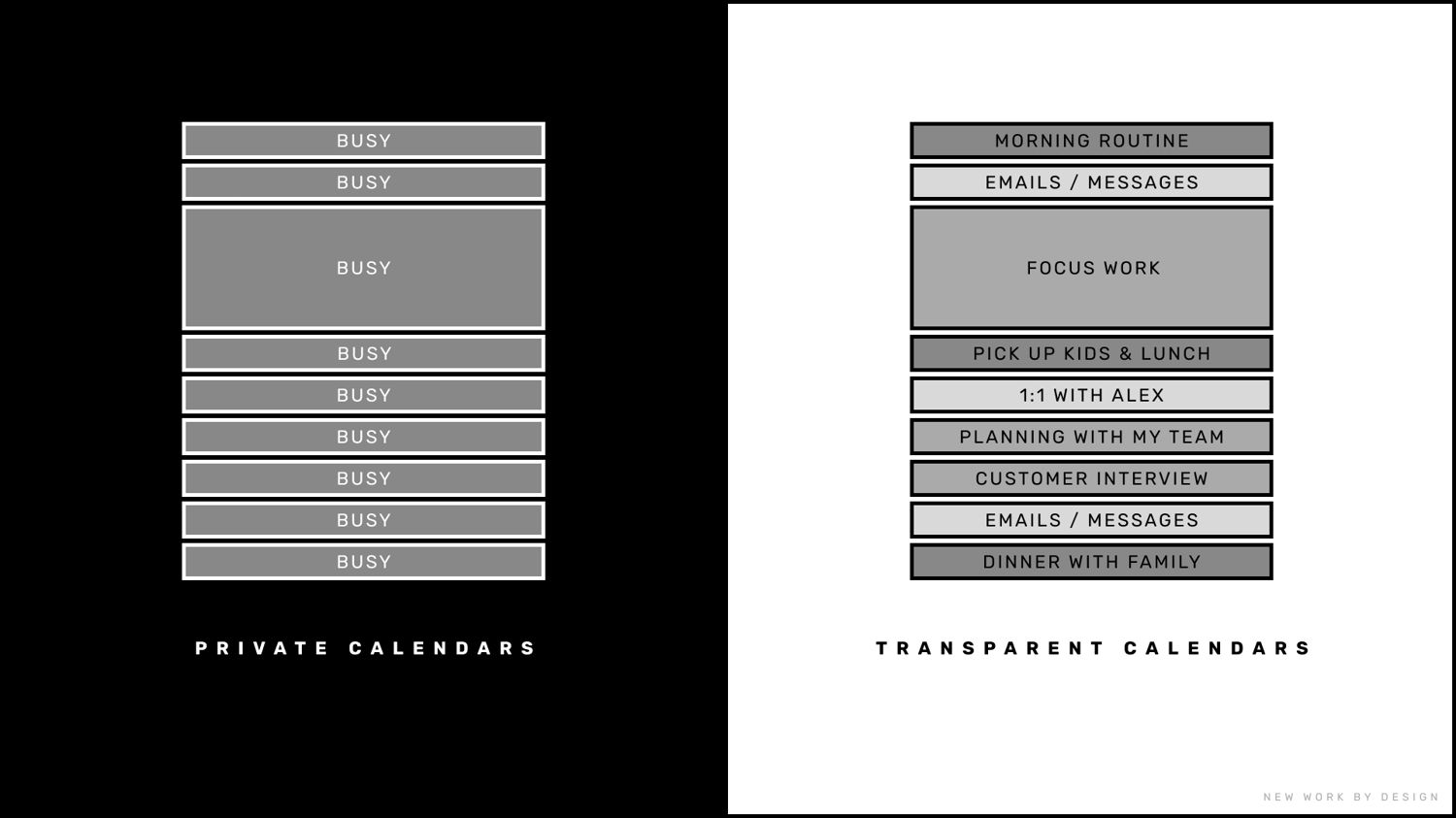
Ever tried scheduling an urgent team meeting, only to find the next open slot is six weeks away? You’re then left with these options: Book an unpopular lunchtime meeting.Settle for that far-off slot, knowing the topic might be obsolete by ...
Read More
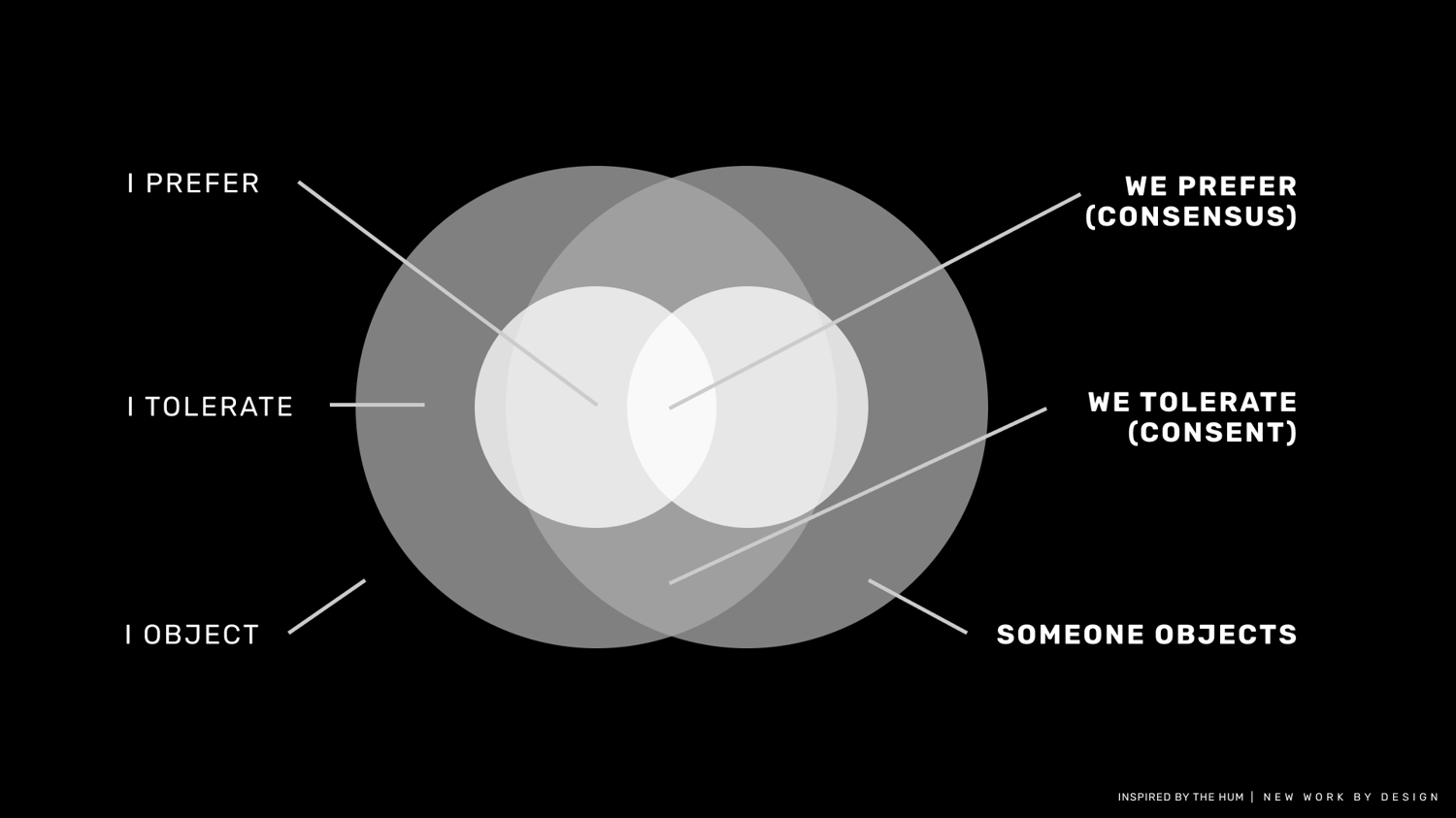
Consent is often confused with consensus, or simply not known at all. While consensus means everyone is for a proposal, consent means nobody is against it. At first glance, these might sound like the same thing, but understanding...
Read More
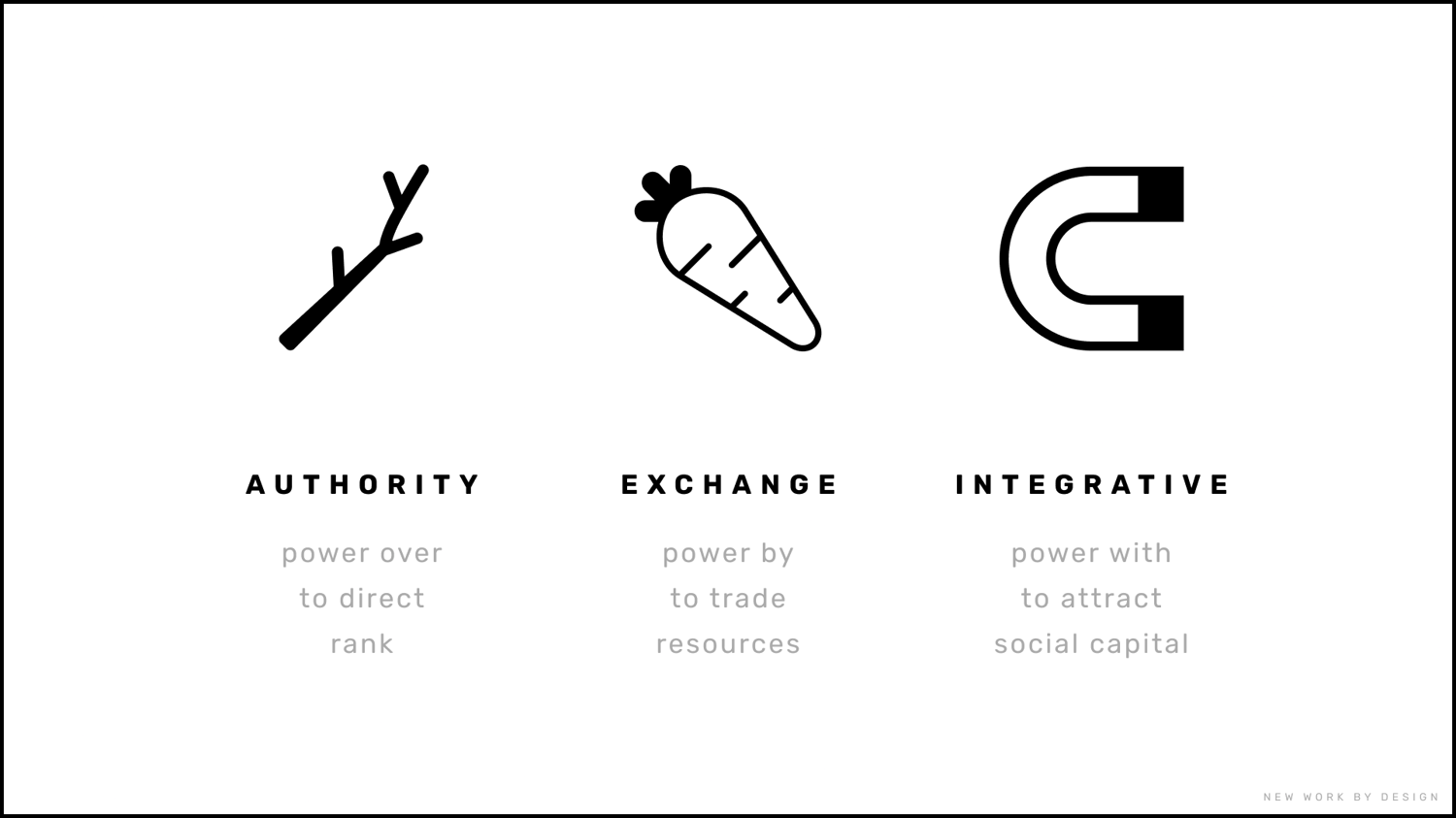
Today, let's dive into power—specifically, integrative power. "Why is it called integrative power?" Kenneth Boulding coined the term "integrative power" in his book Three Faces of Power (1989). He named it this way because integr...
Read More
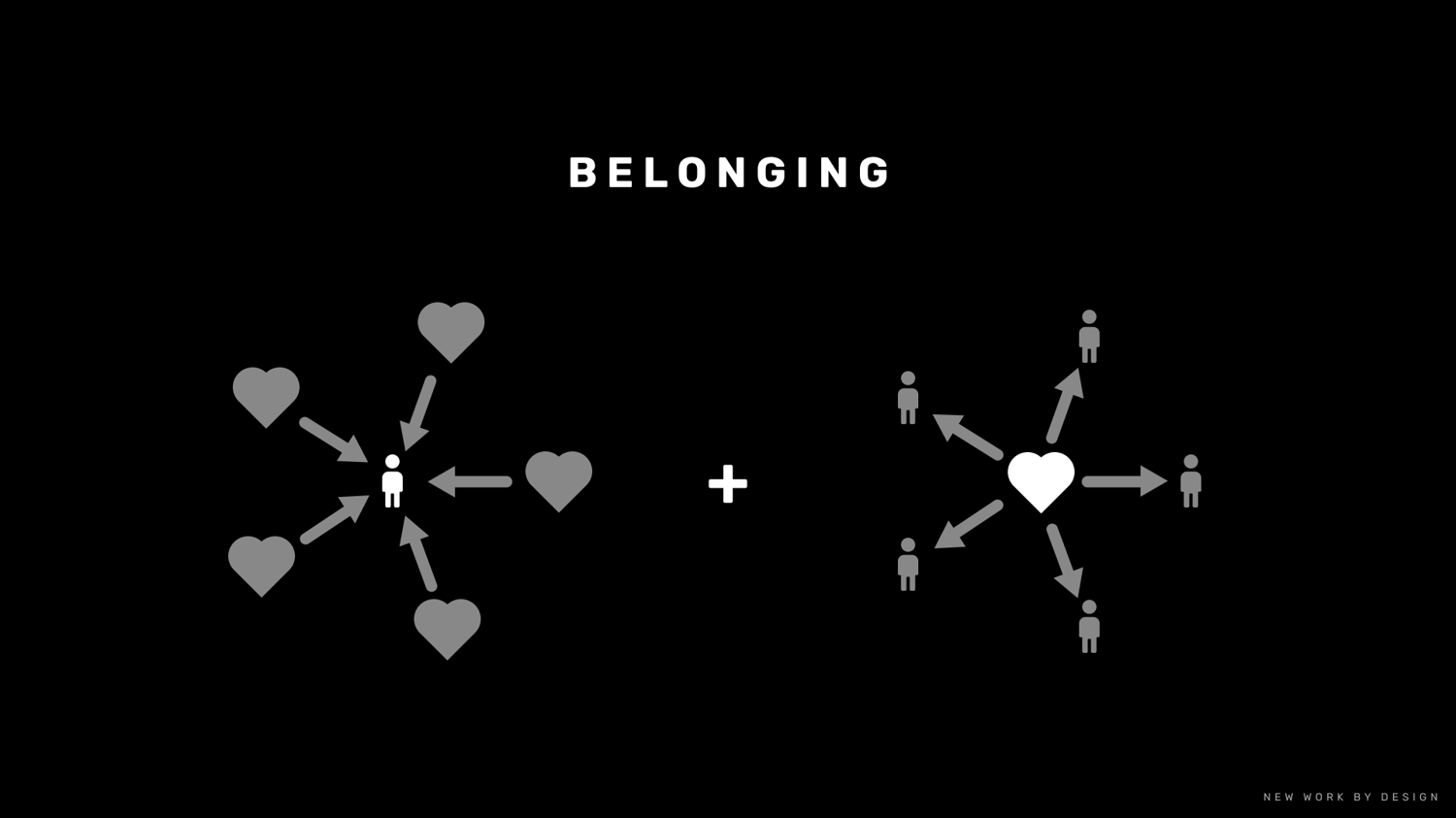
In my last three posts, we explored autonomy, mastery, and purpose—three pillars of intrinsic motivation. This post, dives into the fourth and last main cornerstone: belonging. I sum it up as: "I care about the people I work with, and they care ...
Read More

Purpose is a cornerstone of intrinsic motivation. To me, it can be summed up simply: "What I do feels meaningful and contributes to something bigger than myself." How do we derive meaning in our lives? It helps to contrast it wit...
Read More
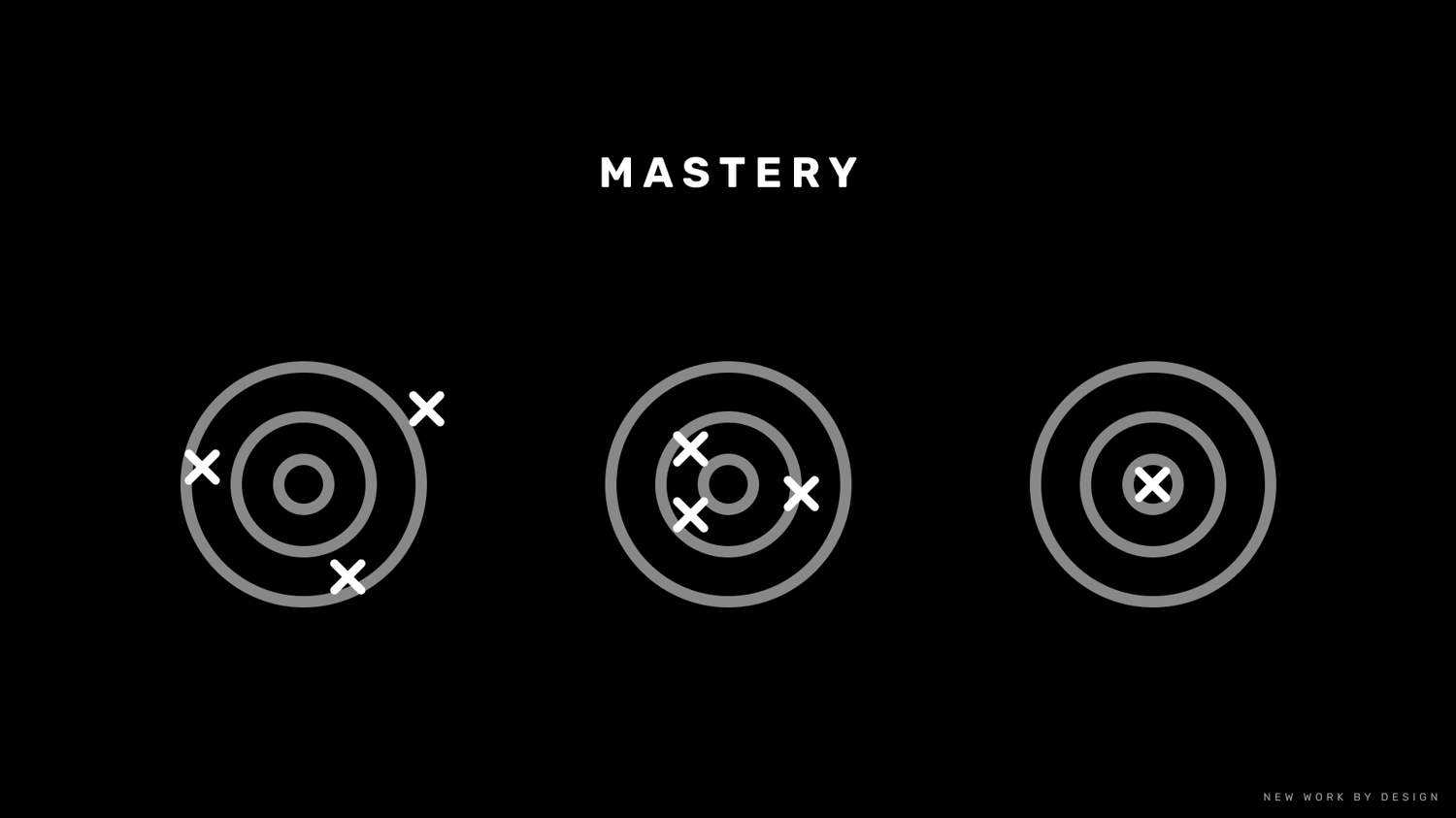
Mastery is a cornerstone of intrinsic motivation. I like to think of it as: “Knowing I’m skilled at what I do and continuously putting in the work to get better through deliberate practice.” Mastery is about striving for perfection in your craf...
Read More
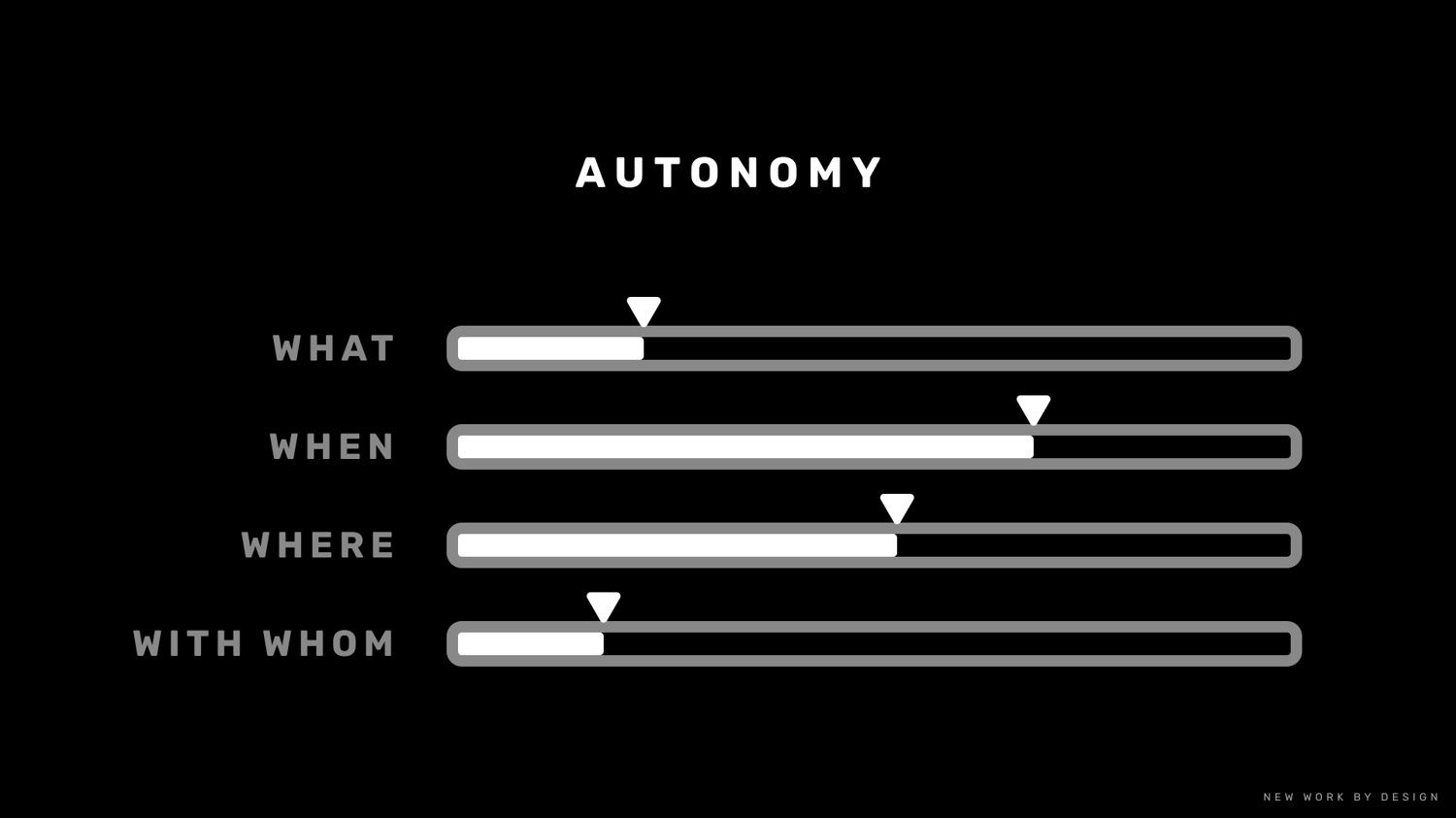
Autonomy is one of the main contributors to intrinsic motivation. I like to think of it as: “Having a say in what you do, when you do it, where you do it, and with whom you do it.” These four elements of autonomy are not black-and-white, but mo...
Read More
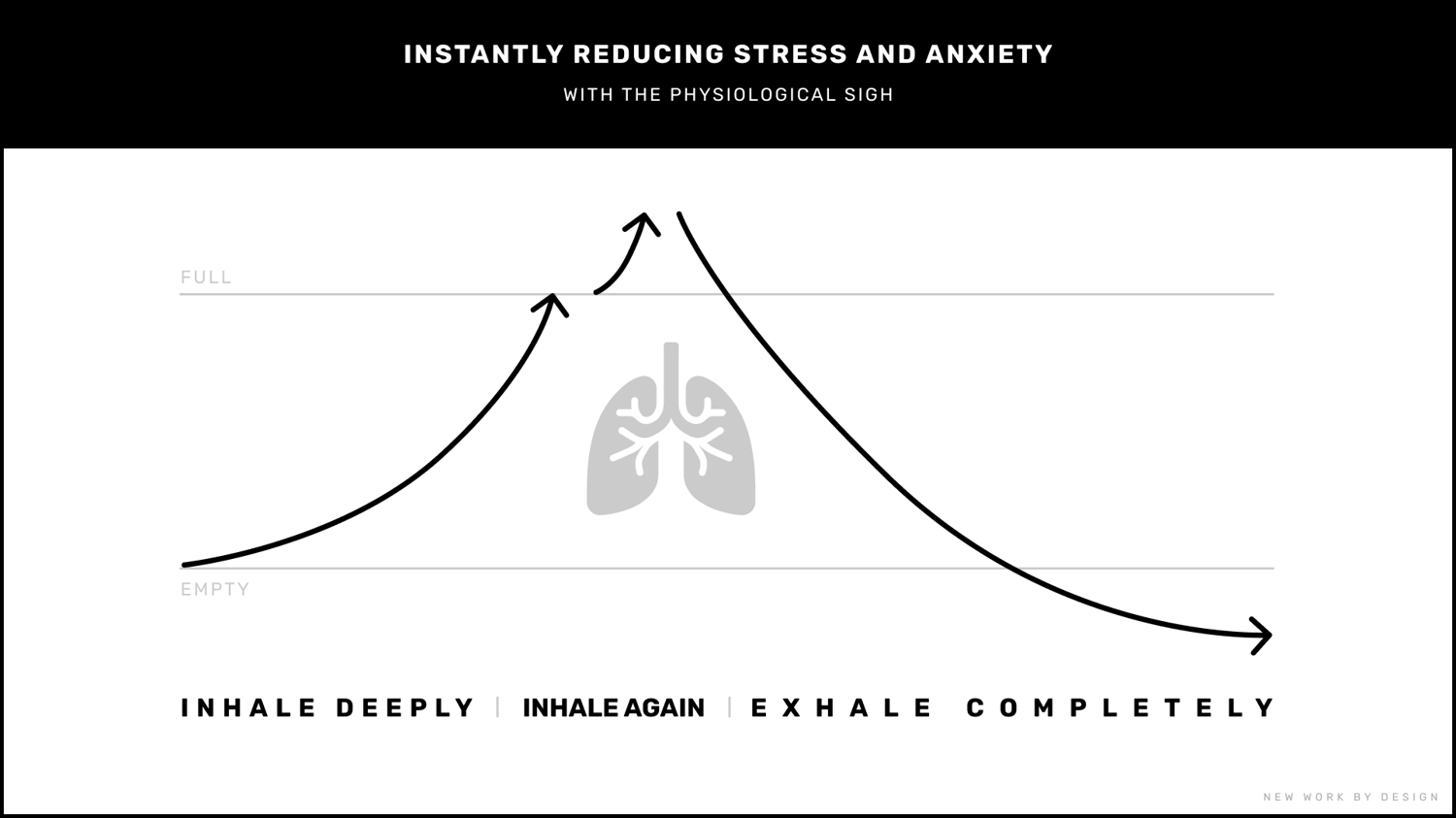
Do you ever start your workweek with a sense of tension, already bracing for the stress ahead? Balancing deadlines, complex collaborations, and occasional conflict can make maintaining our well-being a real challenge. While a vacation or meditation ...
Read More
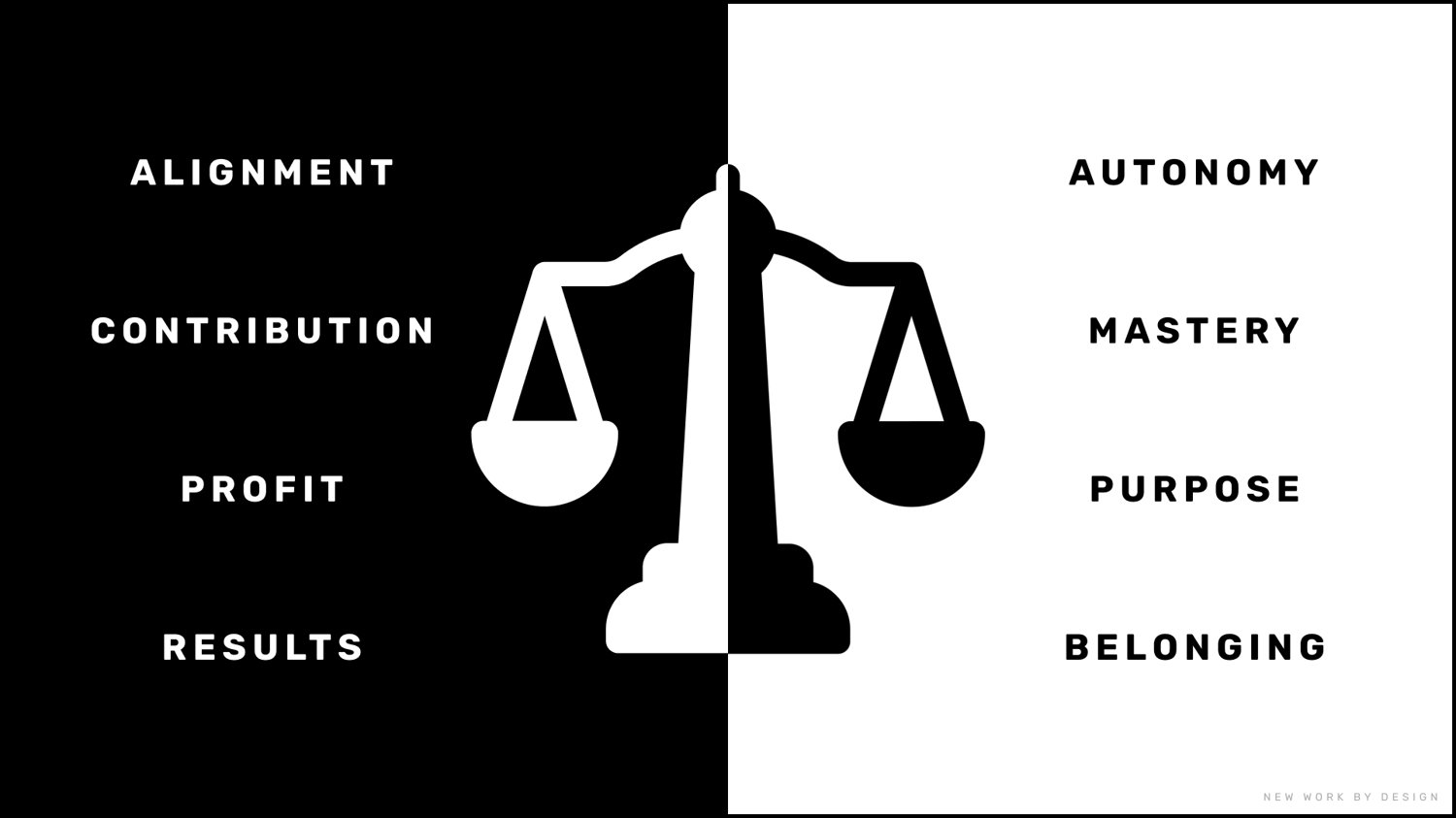
The underlying principle of New Work is intrinsic motivation. It's the underpinning concept behind Theory Y and what makes work energizing. Naturally, a lot of the effort in New Work organizational design goes towards maximizing ...
Read More
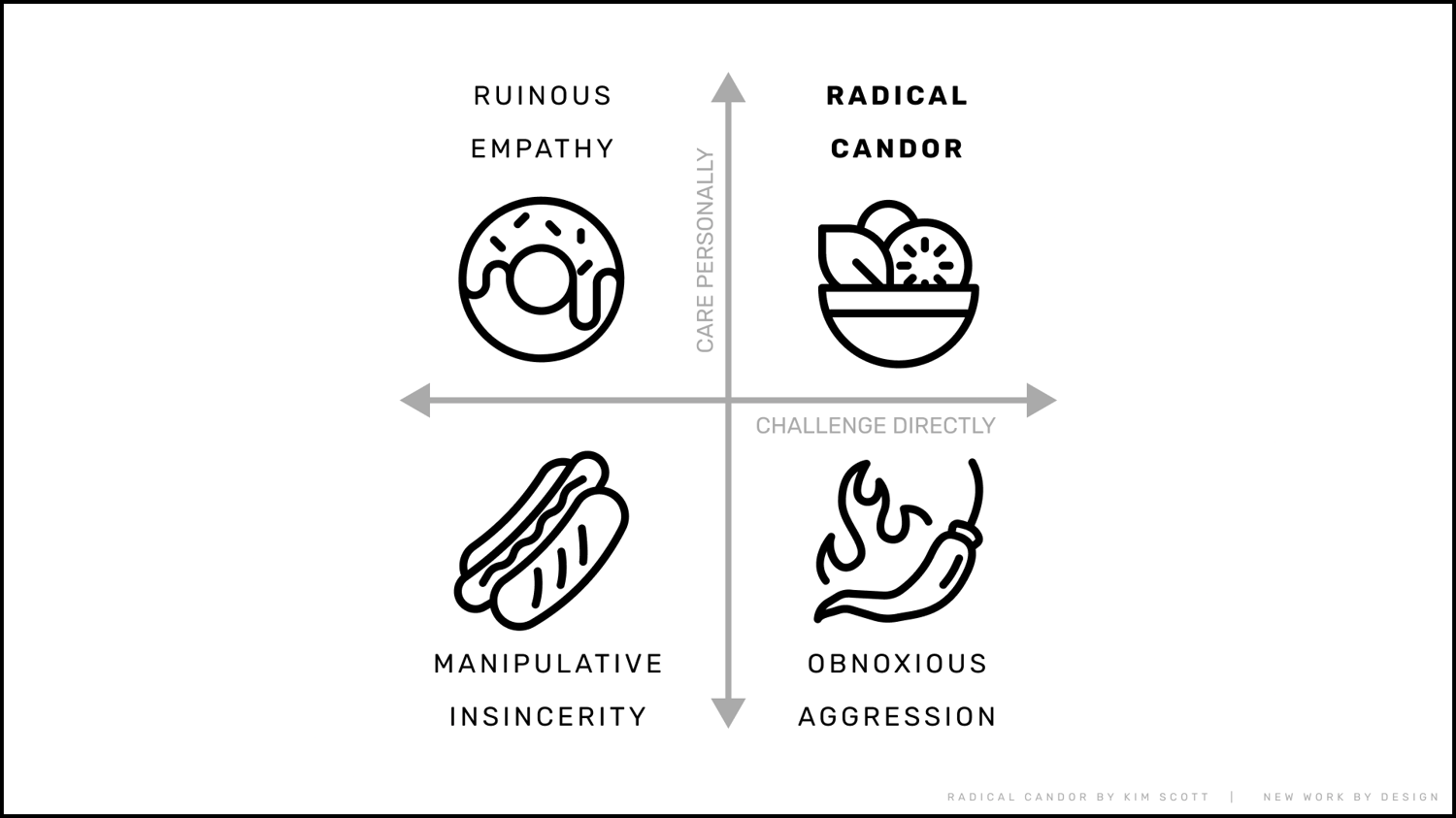
Kim Scott introduced a useful 2x2 matrix to help us understand our habits around giving feedback (or avoiding to do so). Let’s see how we can make our feedback more effective and meaningful. The matrix has two axes: Horizontal: Challenge directly (r...
Read More